Seed Systems, Crop Conservation, and Genetic Diversity Assessment
Wageningen, The Netherlands: 27 November – 5 December 2026
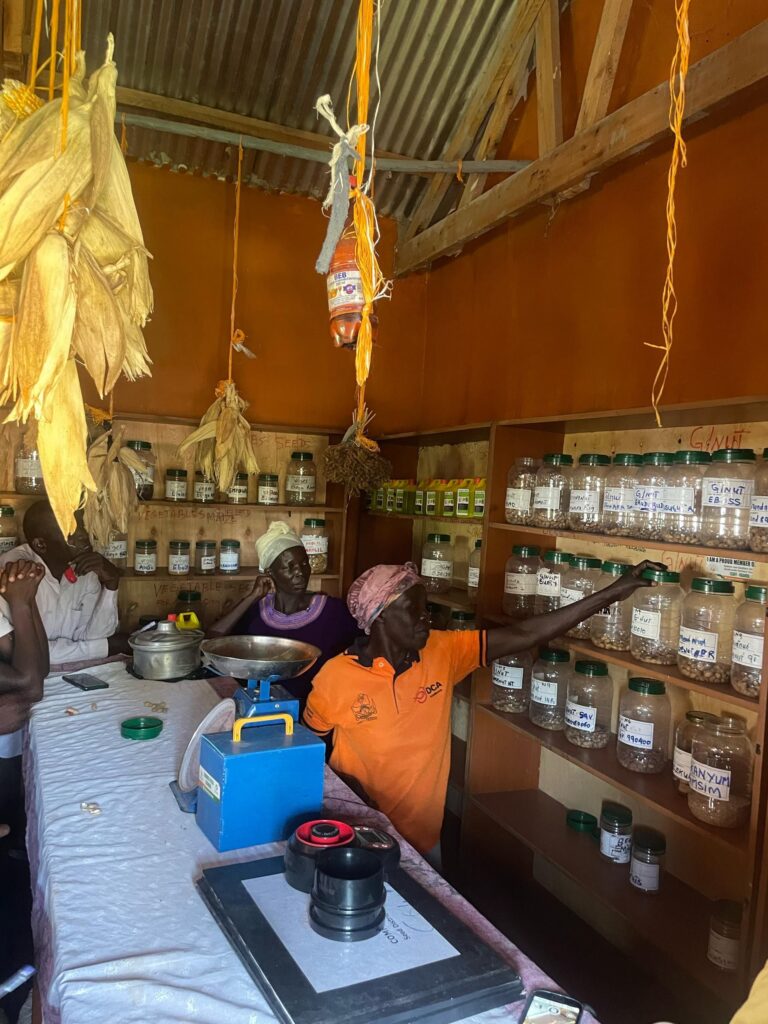
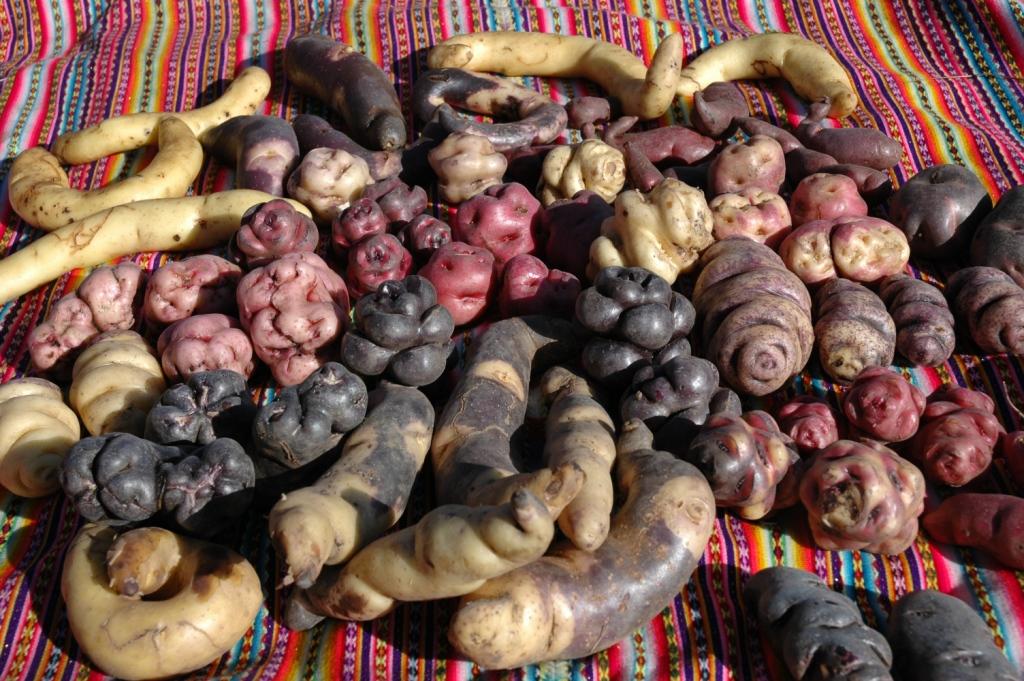
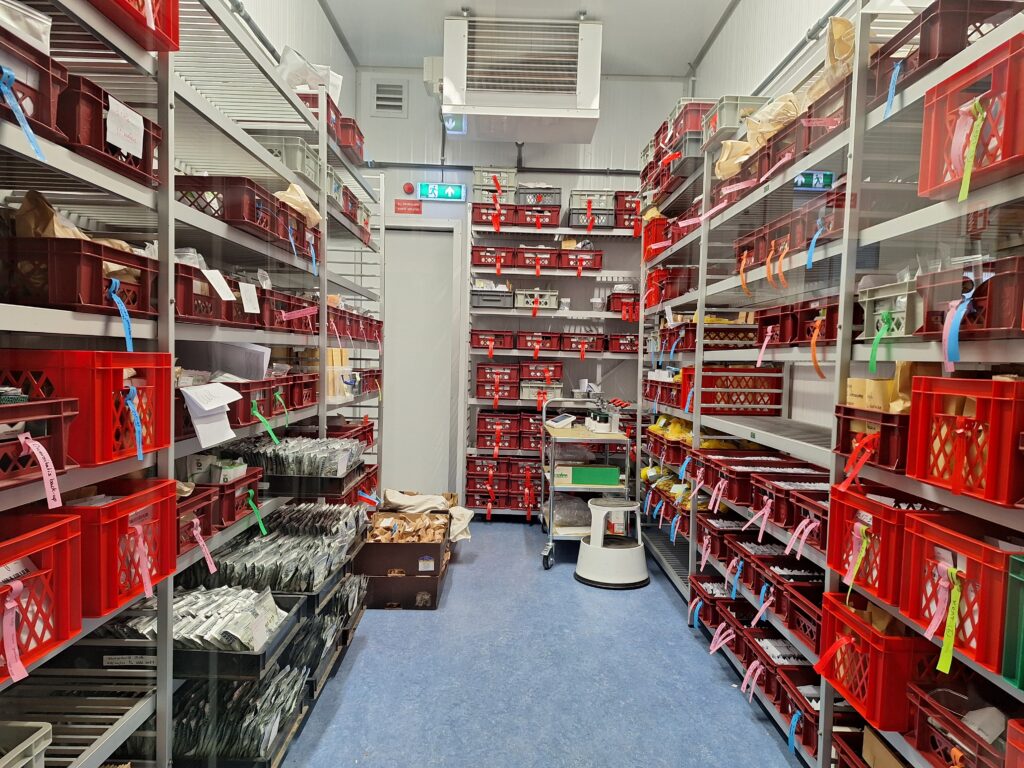
We are happy to announce a fourth postgraduate course organised with the WUR-Graduate School. After last years’ amazing course in Uganda, we now get together for one week in NL-Wageningen.
In this course week we will explore with a range of experts and professional friends the field of crop genetic diversity, how to study it and how its conservation links to seed systems. Read more on the WUR-PERC site.
Note that this course follows the format of other courses: we welcome interested practitioners because we want to connect the academics with “the field” and bring “the field” into academics.
More in general: we seek to connect dots. So, if you look for a community where your can share your interests in seed systems, discuss it, debate it, join us!
- Integrated conservation and seed system design, linking in situ, ex situ, and community-based approaches across scales (community seed banks, seed fairs, catalogues with farmer varieties, citizen science, etc.)
- Seed systems from seed sourcing, reproduction, quality assurance, storage, distribution, access, and use
- Seed systems as socioecological and institutional arrangements, involving public, farmer-led, and community-based actors.
- Genetic, genomic, and phenotypic methods for diversity assessment and monitoring, including participatory and multilevel approaches
- Governance, power relations, and regulatory frameworks, including seed law, certification, and access and benefit-sharing
- Science–policy–practice interfaces and innovation pathways, connecting conservation, breeding, restoration, and value chains
Find the formal registration page at WUR-PE&RC
HOW WE WILL WORK IN THIS COURSE
After a general introduction on integrated conservation (day 1), the participants will be hearing and discussing in the mornings about the latest developments in genetic analysis (day 2), governance of integrated conservation (day 3) and actions/practices that contribute to integrated conservation (day 4).
The participants will work throughout the course on their group assignment which is the development of a joint research proposal for a specific real case of integrated conservation. Each participant will be part of an interdisciplinary group that works on one specific case/proposal. The requirements of the proposal will be defined along the lines that are common in f.e. NWO proposals, EU proposals that require an interdisciplinary research approach and have relevant societal impact as an outcome.
Inputs for the proposal come from literature and further inputs provided through presentations of a range of experts. On day 5, participants can attend a “deep-dive” into his/her disciplinary field. The “deep-dive” serves to address specific issues that participants bring from the case they are working on, and to inspire the further finalisation of the assignments. The last day of the course, participants share the insights and results from the assignment. Throughout the week the course organisers and expert-resource persons will be available to support the group work.
On the afternoon of day 3, participants will visit the WUR campus, the CGN (Dutch Genebank) and Plant science department.
As preparation to the PhD course, three preparatory on-line seminars are planned in the first two weeks of November.
Find the formal registration page at WUR-PE&RC